Diethylene Glycol Dibenzoate: Toxicological Impact & Lipid Metabolism Effects
Diethylene Glycol Dibenzoate (DGB) is a versatile and high-performance chemical compound used across various industries for its exceptional properties. DGB is a clear, colorless liquid that exhibits excellent solvency, compatibility, and stability characteristics, making it an ideal choice for a wide range of applications.

Assessing the toxicological impact of Diethylene glycol dibenzoate
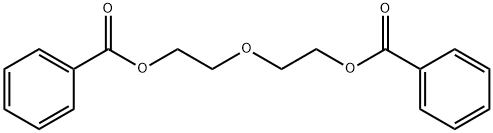
Plasticizers are commonly used in the production of plastics to enhance flexibility, durability, and workability. However, their extensive use has led to significant environmental pollution and poses a threat to human health. Plasticizers are incorporated into a wide range of plastic products, including toys, PVC, medical equipment, and packaging materials. During the lifecycle of these products, plasticizers can leach out into the environment through processes such as weathering, abrasion, and improper disposal. Industrial discharges, wastewater treatment plants, and landfill leachates are major sources of plasticizer contamination in water bodies and soil. As a novel environmentally friendly plasticizer, diethylene glycol dibenzoate (DEGDB) has gradually become a substitute for phthalate plasticizers (such as DOP) in recent years due to its low toxicity and good performance, which was widely used in adhesives, polysulfide sealants, elastic floors, polyvin chloride (PVC), artificial leather, and coated fabrics. However, it was harmful to aquatic organisms and may destroy the ecological environment and cause long-term toxic effects. At present, the standards for new plasticizers have not been improved. For example, the lack of unified specifications for Diethylene glycol dibenzoate migration limits and long-term exposure thresholds may increase uncertainty in actual applications. The benzene ring structure in DEGDB that does not contain phthalate substances. The synthetic raw materials are benzoic acid and diethylene glycol.[1]
This study comprehensively analyzed the potential molecular mechanisms of the effects of Diethylene glycol dibenzoate on GBM progression via network toxicology, machine learning and molecular docking technology. Then validated that through cell experiments in vitro. By integrating bioinformatics, clinical sample information, genomics and big data analysis, five key targets(CEBPB, CNR1, FASN,NPY,SCD) were identified in GBM progression. Diethylene glycol dibenzoate may affect the progression of GBM through various biological mechanisms such as PPAR signaling, fatty acid metabolism, AMPK signaling pathway, the tumor immune microenvironment. CEBPB and SCD were independent prognostic factors for GBM patients. Multi-level evidence of core genes as potential molecular biomarkers in GBM was provided through machine learning algorithms. Diethylene glycol dibenzoate could stimulate proliferation on GBM cells by regulating CEBPB and SCD proteins. These studies will provide a theoretical basis for preventing malignant diseases progression and for evaluating the related health risk strategies of novel plasticizers. However, there are still limitations in our study, the large-scale epidemiological studies and the long-term effects of various plasticizers in animal models will be carried out to validate the impact of novel plasticizers that endanger human health in different environments.
Effects of diethylene glycol dibenzoate on the lipid metabolism
Obesity is a major health burden, affecting >20% of Western populations both in the United States and globally. According to the World Health Organization, approximately 310 million people are clinically obese worldwide. This finding is particularly alarming due to the strong association between obesity and early mortality related to metabolic and chronic diseases . Information on harmful effects of Diethylene glycol dibenzoate which is an approved alternative to phthalates in the processing of plastic and latex is very limited. However, a recent study demonstrated that exposure to DGB leads to the stimulation of crucial lipolytic genes via PPARα mediated pathway. Considering the widespread abundance of BPA and increasing use of Diethylene glycol dibenzoate as replacement for phthalates in plastics processing, we decided to investigate the effects of DGB and BPA on lipid metabolism in zebrafish. In the present study, we investigated the expression of a number of genes involved in fatty acid synthesis, storage, oxidation and transport in the liver of zebrafish, following exposure to different concentrations of BPA (5 μg/L; 10 μg/L; 20 μg/L) and Diethylene glycol dibenzoate (0.01 μg/L; 0.1 μg/L; 1 μg/L; 10 μg/L; 100 μg/L). We measured transcripts abundance by qPCR and assessed hepatic lipid composition by Fourier Transform Infrared (FT-IR) imaging.[2]
In the present study, we can conclude that both BPA and DGB are contributing factors in promoting obesity. Our results are in agreement with previous reports suggesting that EDCs might play a key role in obesity development. Environmental concentrations of BPA can increase the storage of TAG in lipid droplets and fatty acid synthesis. These findings led to the hypothesis that BPA can increase fatty acid uptake from diet and promote its storage in liver lipid droplets. However, Diethylene glycol dibenzoate exposure increase lipoprotein mRNA level and the lipid production in a non-monotonic dose related manner, but appear not to cause fatty liver. Based on the findings, we hypothesize that DGB increase the production of lipids, both cholesterol esters, fatty acids, and TAGs, and promotes widespread transport of excess lipids toward all organism compartments via circulation. It is alarming that four of the five concentrations of Diethylene glycol dibenzoate tested, provoke the increase of apoBa, a gene coding for a protein involved in the very low density lipoprotein production, which is commonly seen in individuals with diabetes and atherosclerosis, which are among the most serious health conditions globally. Our study provides a framework for better understanding of the mechanisms underlying adverse health impact of obesogenic EDCs. Additionally, given the high synteny between zebrafish and human genome, the results can contribute to develop new strategies for the prevention or slowdown of the obesity epidemic caused by increasing exposure to environmental contaminants.
References
[1]Ye, Yintao et al. “Assessing the toxicological impact of DEGDB plasticizer exposure on glioblastoma multiforme via network toxicology, machine learning and in vitro methods.” Environmental pollution (Barking, Essex : 1987) vol. 383 (2025): 126843. doi:10.1016/j.envpol.2025.126843
[2]Santangeli, Stefania et al. “Effects of diethylene glycol dibenzoate and Bisphenol A on the lipid metabolism of Danio rerio.” The Science of the total environment vol. 636 (2018): 641-655. doi:10.1016/j.scitotenv.2018.04.291
You may like
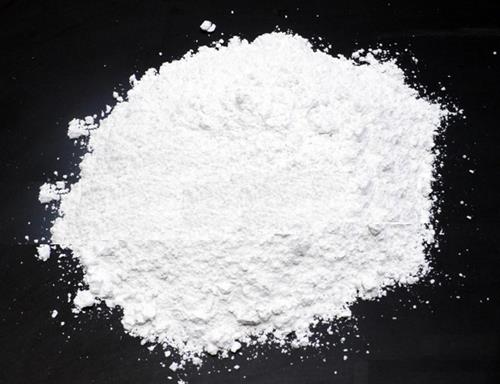
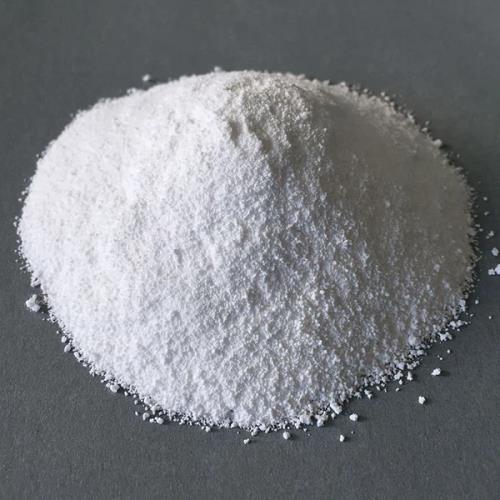
Lastest Price from Diethylene glycol dibenzoate manufacturers

US $10.00/kg2025-04-21
- CAS:
- 120-55-8
- Min. Order:
- 1kg
- Purity:
- 99%
- Supply Ability:
- 100 mt

US $0.00-0.00/KG2025-04-15
- CAS:
- 120-55-8
- Min. Order:
- 1KG
- Purity:
- 99%
- Supply Ability:
- 500000kg